
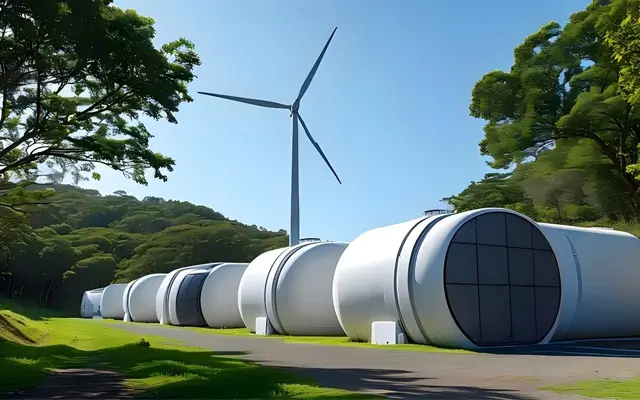
As energy costs continue to rise and grid reliability becomes a concern for rural areas, more agricultural operations are turning to renewable energy. Small-scale wind turbines offer a powerful way to slash electricity bills and provide a stable power source for remote farm infrastructure.
This guide outlines an 8-step selection process to help you avoid common pitfalls and choose the wind energy solution that best fits your farm’s specific needs.
Why Modern Farms Are Investing in Wind Power
- Significant Cost Reduction: The right wind system can reduce annual electricity expenditures by 30% to 70%.
- Energy Autonomy: Decrease dependence on fossil fuels and unstable utility grids.
- Resource Matching: High-demand periods, such as irrigation and grain drying, often coincide with peak wind seasons.
8 Steps to Choosing the Right Agricultural Wind Turbine
1. Analyze Load Profiles and Growth Plans
Start by reviewing your utility bills from the past 12 months to identify consumption patterns:
- Seasonal Spikes: Irrigation systems often cause massive surges in summer.
- Steady Loads: Livestock facilities usually require consistent power year-round.
- Short-term Peaks: Grain handling equipment creates intense demand during harvest.
Always factor in your 3-5 year expansion plan to ensure the system isn’t undersized by the time it is installed.
2. Conduct a Wind Resource Assessment
Wind speed is the single most critical factor in determining power output.
- Micro-climate Impact: While online wind maps provide a general idea, obstacles like buildings, trees, or hills within 500 feet can reduce effective wind speed by 20% to 40%.
- Professional Measurement: For larger investments, consider on-site data logging for 6–12 months to confirm the “hub height” wind potential.
3. Select the Rotor Type Based on Terrain
Choose the technology that matches your geography:
- Horizontal Axis Wind Turbines (HAWT): These look like traditional propellers. They offer the highest efficiency and are ideal for open, unobstructed fields with steady wind directions.
- Vertical Axis Wind Turbines (VAWT): These can capture wind from any direction without a tracking system. They handle turbulent air better and are quieter, making them suitable for installation near farmhouses or clustered outbuildings.
4. Determine Rated Power and Tower Height
Efficiency in wind power isn’t just about the turbine size—it’s about the height.
- Energy Needs vs. Peak Demand: Size the turbine to meet your annual kWh goals, not your highest instantaneous load.
- The Tower Height Law: Wind speeds increase with altitude. Raising a tower by just 20 feet can often increase annual energy production by 15% to 25% due to smoother, faster airflows.
5. Choose Your Configuration: Grid-Tied or Off-Grid?
- Grid-Tied Systems: The most cost-effective option. Excess energy is sent back to the grid, often earning credits through net metering.
- Wind-Solar Hybrid Systems: Wind and solar are naturally complementary—wind is often stronger at night and during stormy weather when solar panels are inactive.
- Off-Grid with Battery Storage: Best for remote locations where grid extension is too expensive, though it requires higher upfront costs for battery maintenance.
6. Run Financial and ROI Calculations
Evaluate the economic viability by considering:
- Total Installed Cost: Including the turbine, tower, foundation, and electrical integration.
- Incentives: Check for agricultural renewable energy grants (like USDA REAP in the US or similar regional subsidies) and tax credits.
- Payback Period: In high-wind areas, agricultural systems typically see a return on investment within 8 to 15 years.
7. Review Permits and Grid Policies
- Setback Requirements: Most jurisdictions require the turbine to be set back from property lines by 1.5 to 3 times the total height.
- Interconnection Agreements: Work with your utility provider early to understand their specific requirements for connecting a renewable source to their lines.
8. Choose Certified Suppliers and Installers
Ensure your equipment meets international standards (such as IEC 61400-2). Certified turbines are not only safer and more durable but are often a mandatory requirement to qualify for government subsidies or insurance coverage.
Conclusion
Selecting an agricultural wind turbine is a long-term strategic investment. By performing a precise energy analysis and wind assessment, you can transform your farm from a passive energy consumer into an active energy producer, securing a competitive edge in an unpredictable market.